
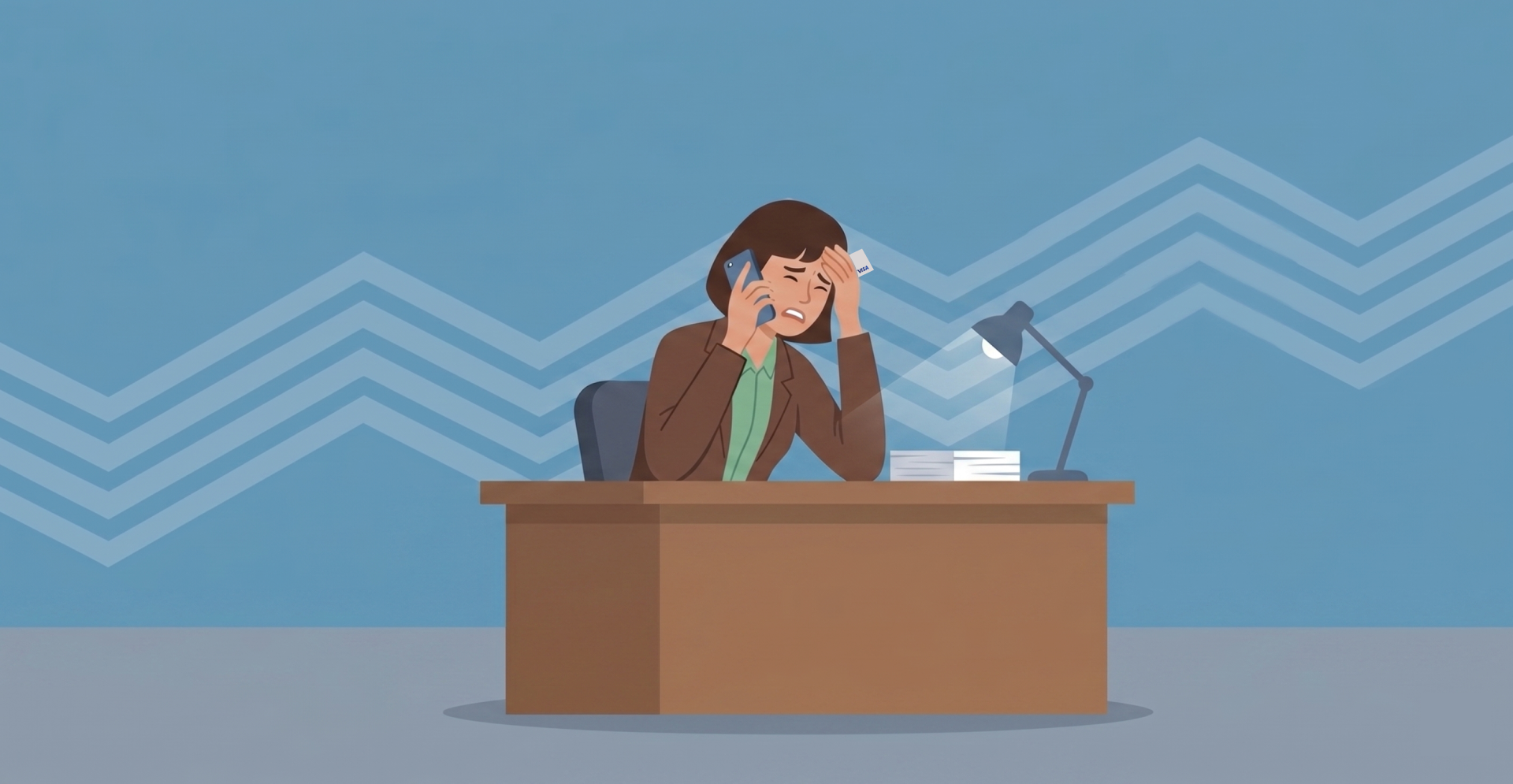
Useful rule: never make a payment, share personal information, or grant access to your home based solely on an unexpected call, text, email, or doorstep visit. Verify independently first.
SHA has been made aware, through a tenant of another housing association, of an increase in housing-related scams. Any resident can be targeted by many of the same scams as everyone else, but there are some risks that are particularly relevant to housing, benefits, repairs, and tenancy issues. Key considerations include:
1. Verify anyone claiming to represent your landlord or housing provider
Scammers may pretend to be:
- Housing officers
- Repair contractors
- Rent collection staff
- Fire safety inspectors
- Utility workers
Before allowing access to your home or sharing information:
- Ask for identification.
- Contact your housing provider using a trusted phone number you already have.
- Do not rely on phone numbers or links provided by the visitor or in a suspicious message.
2. Be cautious about requests for money
Warning signs include:
- Demands for immediate payment.
- Requests to pay rent into a new bank account without prior official notice.
- Pressure to pay for repairs that are normally covered by the landlord (SHA).
- Requests for payment via gift cards, cryptocurrency, or money transfer services.
Always confirm payment requests directly with your housing provider.
3. Protect personal and financial information
Scammers may seek:
- National Insurance numbers
- Bank account details
- Benefit information
- Copies of identification documents
Only provide sensitive information through verified channels.
4. Watch for benefit-related scams
Fraudsters may claim they can:
- Increase your benefits
- Expedite housing applications
- Secure transfers to better properties
- Help with cost-of-living grants for a fee
Legitimate government and housing services generally do not require payment to access benefits or housing assistance.
5. Be careful with repair and maintenance scams
Some scammers offer:
- Cheap home repairs
- Energy-efficiency upgrades
- Damp-proofing services
- Roofing or paving work
Avoid agreeing to work on the spot. Obtain independent advice and verify whether the work should be arranged through your landlord.
6. Recognise digital scams
Common tactics include:
- Emails claiming your tenancy is at risk.
- Text messages about rent arrears.
- Fake websites that imitate housing providers.
- Links asking you to update account details.
Do not click links or open attachments unless you are confident they are genuine.
7. Be alert to pressure tactics
Scammers often create urgency by saying:
- “Your tenancy will be terminated.”
- “You must pay today.”
- “Your benefits will stop.”
- “This offer expires immediately.”
Legitimate organisations generally allow time for verification and questions.
8. Look out for vulnerable-neighbour targeting
Older residents, people with disabilities, and those who are socially isolated are often targeted. Consider:
- Checking in with vulnerable neighbours.
- Sharing scam awareness information.
- Encouraging them to verify requests before acting.
9. Report suspicious activity
If you suspect a scam:
- Contact your SHA housing officer immediately.
- Report the incident to the relevant fraud-reporting authority or organisation in the UK.
- Notify your bank immediately if money or financial information has been compromised.
10. Keep records
Save:
- Emails
- Text messages
- Letters
- Names of callers or visitors
- Screenshots of suspicious communications
These records can help investigators and support any dispute with a bank or service provider.
If you receive any communication regarding your identity or tenancy that seems unusual or cannot be verified, or if you have any questions or concerns, please contact an SHA officer. We will be happy to carry out the necessary checks on your behalf. Contact us today, by email at admin@spitalfieldsha.co.uk or call 020 7392 5400.