
Hot weather can be especially difficult in housing because many homes were designed to keep heat in, not out. A few low-cost changes and habits can make a big difference for both personal safety and protecting the home.
Keeping yourself cool and safe
Keep heat out during the day
- Close curtains, blinds, or reflective coverings on sunny windows, especially south- and west-facing rooms.
- Keep windows shut during the hottest part of the day if the air outside is hotter than indoors.
- Open windows at night or early morning to create airflow when temperatures drop.
- If safe, open windows on opposite sides of the home for cross-ventilation.
Use fans effectively
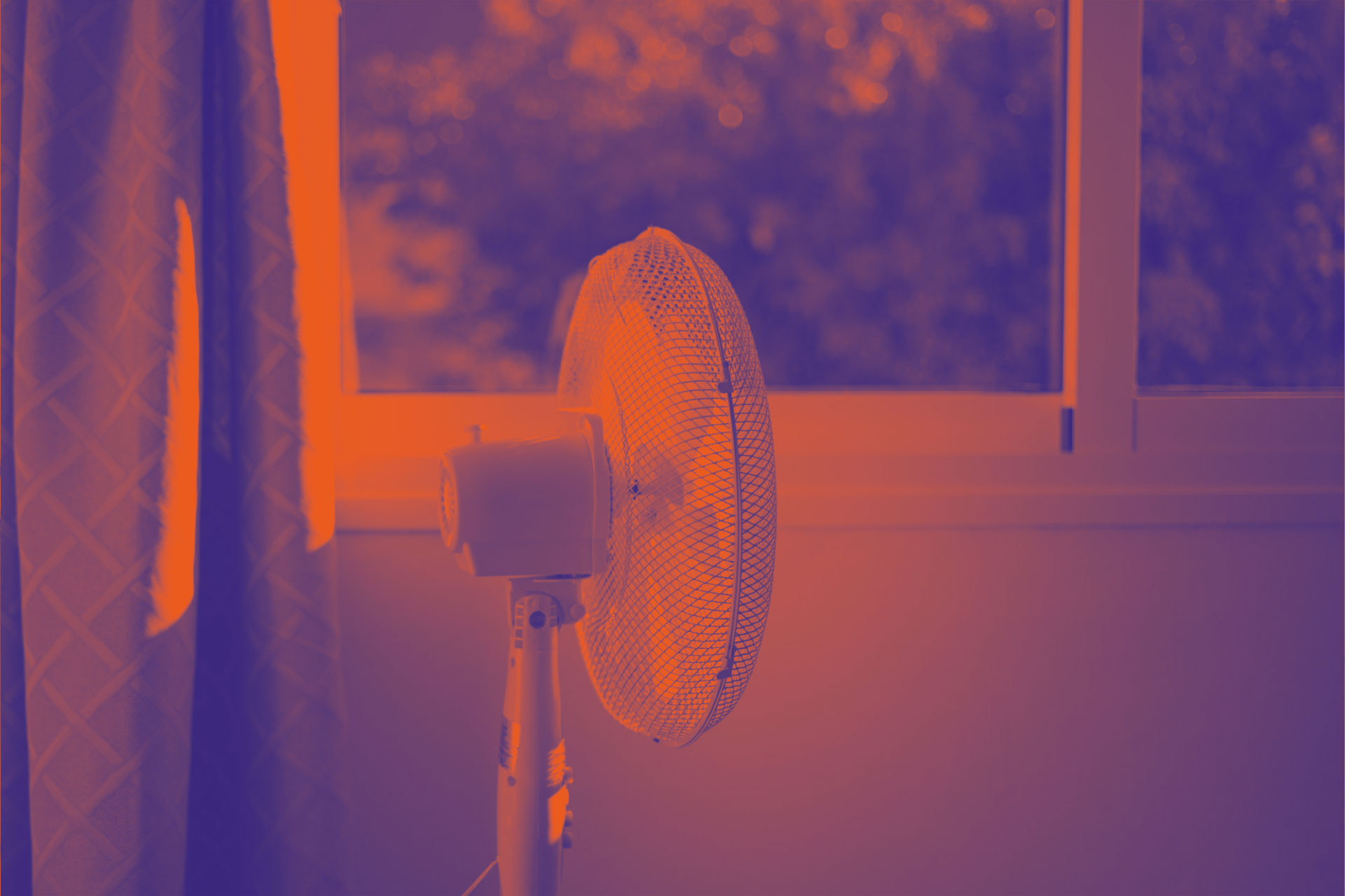
- Place a bowl of ice or frozen water bottles in front of a fan for cooler airflow.
- Don’t point fans directly at very elderly people or young children for long periods, in case they become dehydrated.
- Switch fans off when rooms are empty to reduce electricity costs.
Stay hydrated
- Drink water regularly, even if you don’t feel thirsty.
- Avoid too much alcohol or excessive caffeine in peak heat.
- Eat lighter meals such as salads, fruit, yoghurt, and cold foods.
Cool your body directly
- Use cool damp cloths on wrists, neck, and ankles.
- Take lukewarm showers rather than icy cold ones.
- Wear loose, light-coloured cotton clothing.
Know the signs of heat exhaustion
Watch for:
- dizziness
- headaches
- nausea
- heavy sweating
- confusion
- cramps
Move to a cool place, drink water, and cool the skin. If symptoms worsen or someone becomes confused, collapses, or stops sweating, call 999. Older adults, babies, pregnant people, disabled residents, and people with heart or breathing conditions are at higher risk.
Keeping the home cooler
Reduce indoor heat sources
- Avoid using ovens during the hottest hours.
- Turn off lights, TVs, and electronics when not needed.
- Use LED bulbs if possible as they generate less heat.
Temporary low-cost cooling ideas
- Reflective window film or removable thermal blackout curtains can help.
- Light-coloured rugs and bedding feel cooler.
- Dry washing outdoors instead of indoors to reduce humidity.
For flats and tower blocks
Upper floors can become dangerously hot because heat rises.
Residents can:
- cool one “safe room” rather than the whole flat.
- sleep in the coolest room available.
- use stairwells or shaded communal areas briefly if allowed and cooler.
Protecting your home during heatwaves
Prevent condensation and mould afterwards
People can sometimes keep homes/ rooms sealed for days. Once temperatures ease:
- ventilate rooms properly.
- avoid drying clothes indoors without airflow.
- wipe condensation around windows.
Electrical and fire safety
- Don’t overload extension leads with multiple fans or portable air conditioning units.
- Keep fans clear of curtains and bedding.
- Check smoke alarms still work – heatwaves can increase fire risk.
Watch for building issues
Extreme heat can sometimes cause:
- cracks in plaster
- warped window frames
- roofing or tar issues
- pipe expansion leaks
Tenants must report serious problems promptly to Spitalfields Housing Association (SHA).
Further support options
Local Councils can sometimes offer:
- welfare checks for vulnerable tenants
- temporary cooling spaces
- advice on ventilation and energy support
Useful official guidance in the UK
- NHS heat exhaustion and heatstroke advice
- UK Health Security Agency hot weather guidance
- Citizens Advice energy support information
If you have any questions or need any advice on keeping yourself and your home safe during the change in weather, do not hesitate to contact SHA on 020 7392 5400, or email admin@spitalfieldsha.co.uk