
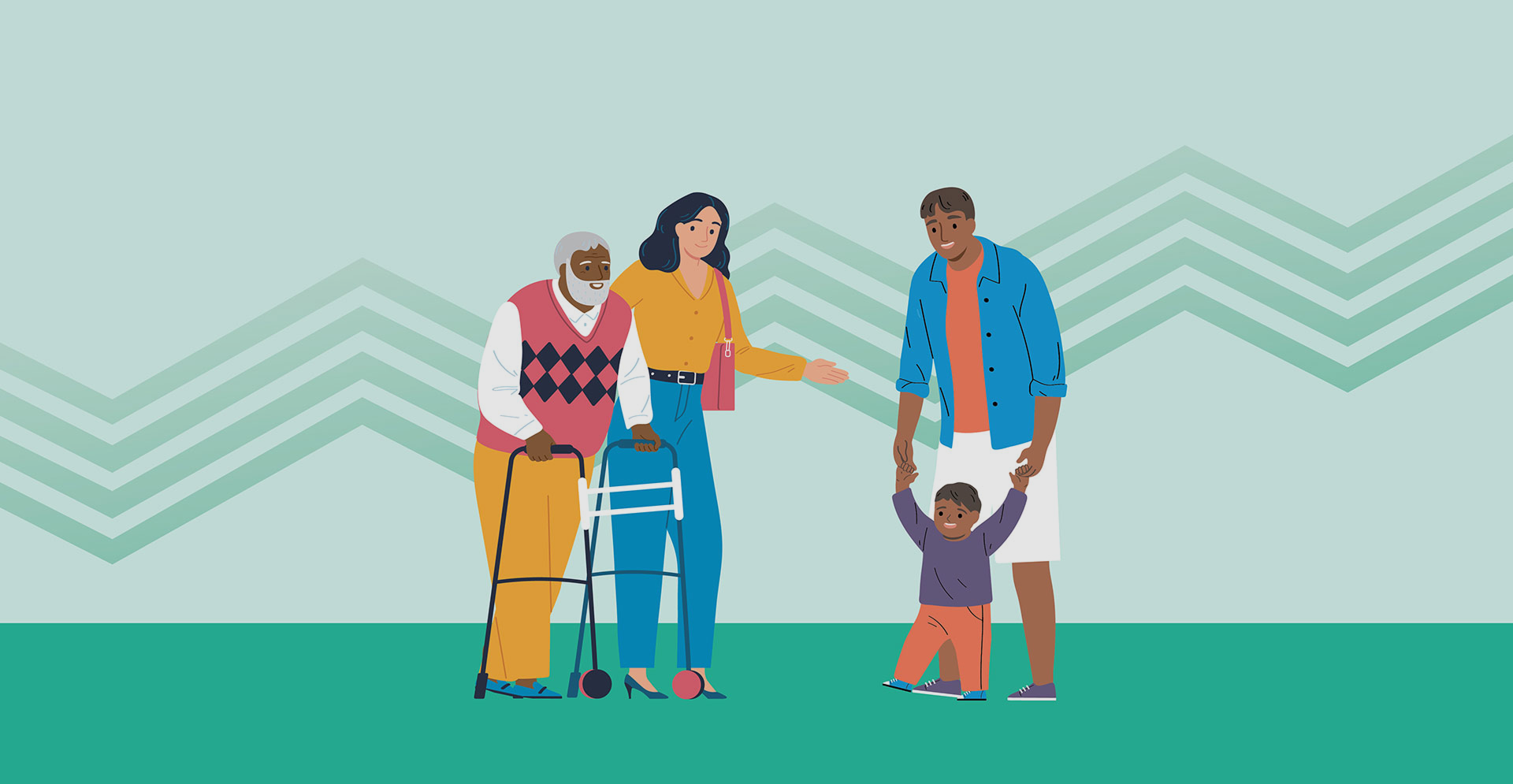
Falls are one of the most common causes of injury at home, affecting both young children, vulnerable people and older adults, but the risks are different depending on age and environment. Understanding these risks and taking simple preventive measures can make a home safer for everyone.
Falls from heights: protecting young children
Young children are naturally curious and often explore their environment without always understanding the dangers. Falls from heights, such as windows, balconies, or stairs, are a leading cause of serious injury to children.
Key risk areas:
- Windows and balconies: open windows or low railings can be hazardous.
- Stairs: lack of child-safety gates or slippery steps increases risk.
- Furniture climbing: children may climb onto chairs, beds, or shelves to reach high surfaces.
Prevention tips:
- Install window guards or locks to prevent children from opening windows fully.
- Use safety gates at the top and bottom of stairs.
- Keep furniture away from windows and supervise children in high areas.
- Encourage children to play in safe areas and teach them about hazards.
Falls on ground level: protecting elderly and the vulnerable
For older adults, falls are more likely on ground level due to reduced balance, mobility issues, and medical conditions. Even a minor trip can lead to serious injuries such as fractures or head trauma.
Key risks areas:
- Slippery floors: wet tiles, loose rugs, or cluttered walkways.
- Poor lighting: dark hallways or stairways make it hard to see obstacles.
- Health factors: vision problems, medication side effects, or weak muscles can increase fall risk.
Prevention tips:
- Keep floors clear of clutter and secure loose rugs with non-slip backing.
- Install grab rails in bathrooms and near stairs – speak with the Tower Hamlets Occupation Therapy at: https://www.towerhamlets.gov.uk/lgnl/health__social_care/Health-and-adult-social-care/ASC/Occupational-Therapy/Occupational-therapy-assessment.aspx
- Ensure adequate lighting, especially at night, with night-lights in corridors and bedrooms.
- Encourage regular exercise for balance and strength, such as walking, tai chi or gentle yoga.
- Review medications with your GP if dizziness or instability occurs.
General home safety measures
Whether protecting children or older adults, these measures help reduce fall risk:
- Non-slip mats in bathrooms and kitchens.
- Secure cords and cables to prevent tripping.
- Maintain stairs and handrails to ensure they are sturdy and in good condition.
- Regularly check flooring for damage or loose boards.
Key considerations:
- Falls are preventable with awareness and proactive safety measures.
- Young children are most at risk from falls from heights; supervision and safety barriers are essential.
- Older adults are most at risk from ground-level falls; good lighting, stable flooring, and support devices help.
- Simple changes at home can save lives and prevent injuries.
Creating a safe home environment benefits everyone: children can explore without unnecessary risk, vulnerable people and older adults can move around confidently without fear of falling. With careful planning and vigilance, many accidents at home can be avoided.