
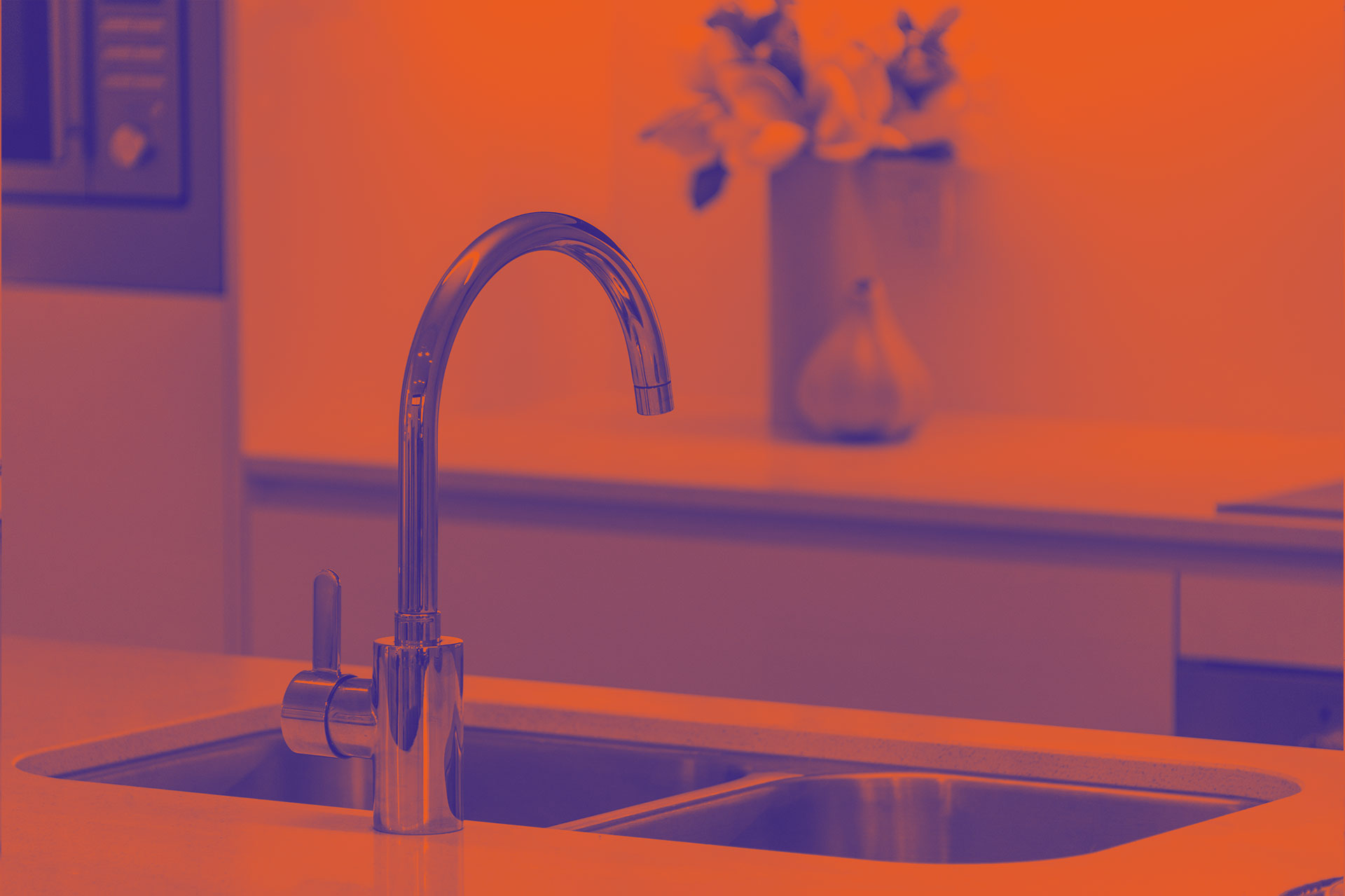
At this time of year, tenants can at times experience frozen or blocked sink and waste pipes in their homes.
Below is a list of steps you can take to help protect your property and reduce the risk of pipe-related issues:
1. Use drain strainers
Placing simple strainers over sink and bath drains traps hair, food scraps and debris before they enter the pipework. Empty and wash strainers regularly.
2. Run the hot water tap weekly
Pouring hot (but not boiling) water down the drain helps dissolve grease and soap residue. Run hot water down the kitchen sink after washing dishes, and in the bathroom after showering/ bathing.
3. Avoid pouring grease or oil down the drain
Fat, oil and grease (FOG) solidify in pipes as they cool and cause blockages. Instead, let grease cool in a container and dispose with general waste in the bin.
4. Minimise hair going down the drain
Hair easily binds with soap scum and can form clogs. Comb and remove fallen hair before showering. Use sink hair traps.
5. Avoid harsh chemical drain cleaners
Some everyday chemical drain cleaners are ok to use, however harsh corrosive chemical cleaners can damage older or plastic pipes and harm the environment. Use gentle methods instead. Some safer cleaning techniques are given below:
Use baking soda & vinegar
A natural method to freshen and clean drains monthly – instructions as follows:
- Pour ½ cup of baking soda.
- Add ½ cup vinegar.
- Cover the drain for 10-15 minutes.
- Flush with hot water.
This can help reduce odours and light drain build-up.
Manual cleaning
If you can see debris near the stopper or strainer, use gloves and a small tool (like a hook or bent wire) to remove it manually.
Check and inspect you pipes at home regularly.
6. Listen and watch for early signs
Signs of trouble include:
- Slow draining water.
- Gurgling sounds.
- Bad odours.
- Water backing up.
Early reporting often avoids bigger repair jobs later on.
7. Check seals & fixtures
Ensure plugs, pop-ups and traps are working well and not leaking.
What tenants should Not Do
- Do not force plungers/chemicals into drains aggressively – this can damage fixtures and pipes.
- Do not remove parts of the plumbing (like traps) – removing these incorrectly can make things worse and may breach tenancy terms.
When to contact SHA
If you’ve tried preventative measures and:
- Water still drains slowly or not at all.
- There’s repeated blockages.
- You hear unusual noises or smell persistent odours.
- There’s a leak or water damage.
Your housing tenancy agreements include clauses about tenants reporting repairs promptly – so don’t delay!
Summary checklist
- Use drain strainers
- Flush with hot water regularly
- Avoid grease and hair down the drain
- Use gentle cleaning methods
- Monitor for early warning signs
- Report issues early
Responsibility for fixing external outdoor waste drains can sit with the landlord, the local Council, or utility companies, depending on the location, situation and any agreements in place – it’s good practice to know who is responsible for which part.
If you have any questions about drainage or pipework in or around your home, please contact SHA for advice.